How Is POTS Treated?
Postural orthostatic tachycardia syndrome (POTS) is treated with a combination of increased sodium and fluid intake, compression garments, lifestyle changes, and medications. Exercise may also help some patients, although it is not appropriate for everyone.
POTS treatments aim to improve blood circulation, reduce excessive heart rate increases upon standing, and manage symptoms like dizziness, fatigue, and lightheadedness. Because POTS can involve low blood volume (hypovolemia), blood pooling, and excessive sympathetic nervous system activity (the “fight-or-flight” response), treatment plans are individualized based on each patient's symptoms and underlying physiological factors.
Although there is currently no cure for POTS, a combination of treatments may help improve daily functioning and quality of life.
On This Page
- Sodium and Fluid Intake for POTS
- Electrolytes for POTS
- Compression Garments for POTS
- Exercise for POTS
- Medications for POTS
- Diets for POTS
- Pacing for POTS
- Lifestyle Adaptations for POTS
- School Accommodations for POTS
- Work Accommodations for POTS
- POTS Triggers
- Frequently Asked Questions
Sodium and Fluid Intake for POTS
Increasing sodium and fluid intake is a common first-line treatment for postural orthostatic tachycardia syndrome (POTS). Sodium helps the body retain water, increasing blood volume and improving circulation. This may help reduce orthostatic tachycardia (a rapid heart rate upon standing) and symptoms such as dizziness and lightheadedness.
How much sodium and water do POTS patients need?
The Heart Rhythm Society recommends considering 2–3 liters of water and 10–12 grams of salt (approximately 4,000–4,800 mg of sodium) daily for patients with POTS. These amounts are not appropriate for everyone, particularly people with certain heart or kidney conditions or those advised to restrict sodium or fluids. Your healthcare provider can recommend an individualized target. For a more detailed breakdown, see Vitassium’s guide to how much salt people with POTS need.
A 2021 study published in the Journal of the American College of Cardiology found that a high-sodium diet increased plasma volume and reduced standing heart rate in patients with POTS compared to a low-sodium diet.
IV Fluids for POTS
Intravenous (IV) saline delivers fluid directly into the bloodstream and may temporarily increase blood volume and reduce orthostatic tachycardia in some people with POTS. Clinicians may consider a short-term infusion when symptoms worsen substantially or when a patient cannot maintain adequate hydration by mouth, depending on the clinical situation.
However, routine, long-term IV saline is not recommended as a standard POTS treatment because evidence of sustained benefit is limited and repeated IV access carries risks. In particular, central lines and ports can cause serious complications, including bloodstream infections and blood clots. The Heart Rhythm Society's expert consensus statement distinguishes selected short-term rescue infusions from regular long-term infusions, which it advises against for routine care. Decisions about IV saline should be made with a clinician who can weigh potential benefits, alternatives, and access-related risks.
Electrolytes for POTS
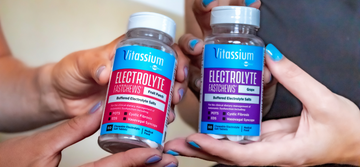
Electrolyte supplements can help people with POTS meet their recommended daily sodium intake. High-sodium electrolyte drinks, salt tablets, and capsules provide convenient alternatives to increasing dietary salt alone. Although electrolytes like potassium and magnesium support normal bodily functions, sodium is the primary electrolyte targeted for blood volume expansion in POTS treatment.
What are the best electrolytes for POTS?
The best electrolytes for POTS provide sufficient sodium to support an individual's treatment plan. When comparing electrolyte supplements, consider the sodium content per serving, ease of use, and personal preferences.
Compression Garments for POTS
Compression garments can help people with postural orthostatic tachycardia syndrome (POTS) manage symptoms by reducing blood pooling in the abdomen and legs, improving blood return to the heart. This may help reduce standing heart rate, dizziness, lightheadedness, and other symptoms of orthostatic intolerance.
A 2021 study published in the Journal of the American College of Cardiology found that abdominal and lower-body compression significantly reduced standing heart rate and improved symptoms in 30 patients with POTS.
What Are the Best Compression Garments for POTS?
Compression that covers the abdomen and legs has shown the greatest benefit in comparative research, while properly fitting abdominal binders or abdominal compression garments may be useful alternatives. Some high-waisted compression shorts or shapewear may also help, but ordinary shapewear does not necessarily provide consistent, medically effective pressure. Knee-high compression socks are generally less effective because they do not address blood pooling in the abdomen.
A 2026 study published in the Canadian Journal of Cardiology found that commercially available abdominal compression garments significantly reduced standing heart rate and improved symptoms in patients with POTS, supporting their use as an alternative to full-length compression garments.
Compression garments are commonly available in strengths of 20–30 mmHg and 30–40 mmHg, although the most appropriate compression level depends on individual needs and tolerance. Consult your healthcare provider for guidance on selecting the right garment and compression strength.
Exercise for POTS
Exercise can help some people with postural orthostatic tachycardia syndrome (POTS) improve circulation, cardiovascular fitness, and exercise tolerance. A 2023 randomized controlled trial involving 49 POTS patients found that a 12-week, semi-supervised exercise program improved aerobic fitness, exercise tolerance, and orthostatic intolerance symptoms compared to standard care.
What exercises are recommended for POTS?
Recumbent (seated or reclined) exercises, such as rowing, recumbent cycling, and swimming, are commonly recommended because they minimize the effects of gravity on circulation. Strength training targeting the legs and core may also help support blood flow. Patients who tolerate exercise may gradually progress to upright activities with guidance from their healthcare provider.
Exercise Programs for POTS
Several structured exercise programs have been developed specifically for people with POTS and related forms of dysautonomia, including:
-
Utah ADaPT Program: An adaptive physical therapy program developed by the University of Utah that uses individualized exercises and gradual progression based on patient tolerance.
-
CHOP Modified Dallas Protocol: A structured exercise program adapted by Children's Hospital of Philadelphia that begins with recumbent cardiovascular exercise and strength training before progressing to upright activities.
-
Levine Protocol: A structured exercise program developed by Dr. Benjamin Levine and colleagues that emphasizes cardiovascular conditioning, beginning with recumbent exercise and gradually introducing upright activities.
Important: Exercise is not safe or appropriate for every POTS patient. Post-exertional malaise (PEM) is a delayed or prolonged worsening of symptoms after physical, cognitive, or emotional activity, sometimes following exertion that previously seemed manageable. People who have PEM, including many with myalgic encephalomyelitis/chronic fatigue syndrome (ME/CFS), may experience significant worsening after exertion. Standard exercise programs and fixed increases in activity can be harmful for these patients. Always consult a knowledgeable healthcare provider before beginning an exercise program, and prioritize individualized activity management over pushing through symptoms.
Medications for POTS
Several medications are used to manage postural orthostatic tachycardia syndrome (POTS), including beta-blockers, ivabradine, midodrine, and fludrocortisone. Although no medications are currently FDA-approved specifically for POTS, healthcare providers may prescribe medications off-label to help manage symptoms such as tachycardia, dizziness, low blood pressure, and fatigue.
What medications are used to treat POTS?
Treatment depends on an individual's symptoms, blood pressure, medical history, and response to previous treatments. The table below separates better-studied options from medications with more limited evidence; these are not equivalent recommendations. A 2025 systematic review identified beta-blockers, ivabradine, and midodrine among the most frequently studied oral medications.
|
Commonly prescribed or better-studied medication |
How it may help POTS |
|
Propranolol and other beta-blockers (metoprolol, bisoprolol, atenolol, nebivolol) |
Reduce heart rate and may help manage tachycardia and palpitations. Evidence varies by medication. |
|
Ivabradine (Corlanor) |
Lowers heart rate without directly lowering blood pressure, potentially improving tachycardia and related symptoms. |
|
Midodrine (ProAmatine) |
Constricts blood vessels to improve blood return to the heart, potentially reducing dizziness, low blood pressure, and orthostatic intolerance. |
|
Fludrocortisone (Florinef) |
Promotes sodium and water retention to help increase blood volume. |
|
Pyridostigmine (Mestinon) |
Improves autonomic nerve signaling and may reduce standing heart rate and orthostatic symptoms. |
Other medications discussed in POTS research or specialty care (more limited, mixed, or context-specific evidence):
|
Medication |
How it may help POTS / evidence limitation |
|
Desmopressin (DDAVP) |
Increases water retention to temporarily expand blood volume and reduce orthostatic tachycardia. |
|
Clonidine (Catapres) |
Reduces sympathetic nervous system activity and may help manage excessive adrenaline-like symptoms in hyperadrenergic POTS. |
|
Methyldopa (Aldomet) |
Reduces sympathetic nervous system activity and may help manage hyperadrenergic POTS symptoms. |
|
Guanfacine (Tenex, Intuniv) |
Reduces sympathetic nervous system activity and may help manage hyperadrenergic symptoms. |
|
Droxidopa (Northera) |
Increases norepinephrine availability to support blood pressure and potentially improve orthostatic intolerance. Evidence in POTS is limited. |
|
Octreotide (Sandostatin) |
Reduces blood pooling in the abdomen, potentially improving orthostatic symptoms, particularly after meals. Evidence is limited. |
|
Erythropoietin (Epogen, Procrit) |
Stimulates red blood cell production and has been investigated for severe, treatment-resistant orthostatic intolerance. |
|
Modafinil (Provigil) |
Promotes wakefulness and has been investigated for fatigue and brain fog. Its effectiveness for POTS symptoms remains uncertain. |
|
Methylphenidate (Ritalin, Concerta) |
A stimulant sometimes investigated or prescribed for fatigue and cognitive difficulties. It can also increase heart rate. |
|
Selective serotonin reuptake inhibitors (SSRIs) (sertraline, fluoxetine, escitalopram) |
Have been investigated for their potential effects on autonomic regulation and associated symptoms, but evidence for treating POTS itself is inconsistent. |
Evidence within both groups varies; even commonly prescribed medications are not necessarily supported by large, long-term trials. Work with a healthcare provider familiar with POTS to determine whether medication is appropriate for your treatment plan.
Diets for POTS
Dietary changes may help people with postural orthostatic tachycardia syndrome (POTS) manage symptoms, particularly those that worsen after eating. Smaller, more frequent meals with moderate amounts of carbohydrates may help reduce post-meal tachycardia, dizziness, and fatigue.
After eating, blood flow increases to the digestive system, potentially worsening orthostatic symptoms. A 2022 study published in Hypertension found that consuming glucose increased standing heart rate and reduced stroke volume in 12 POTS patients who experienced post-meal symptom worsening. Although this supports exploring lower-carbohydrate meals, more research is needed to establish specific dietary recommendations.
Dietary Considerations for Coexisting Conditions
People with POTS may also have conditions that benefit from specific dietary modifications, including:
-
Celiac disease and gluten sensitivity: A gluten-free diet is necessary for people with celiac disease and may help some people with non-celiac gluten sensitivity. A 2022 retrospective study of 20 POTS patients without celiac disease reported lower self-rated autonomic symptoms after participants had adopted a gluten-free diet for at least four weeks. Because the study relied on retrospective self-reporting and had no control group, it does not establish that gluten avoidance treats POTS.
-
Mast cell activation syndrome (MCAS): Identifying and avoiding individual food triggers may help manage symptoms. Some patients try low-histamine diets, but evidence supporting their effectiveness remains limited.
-
Gastrointestinal conditions: Patients with gastroparesis (delayed stomach emptying) may benefit from smaller, lower-fat meals or modified food textures, while those with irritable bowel syndrome (IBS) may benefit from a low-FODMAP diet under professional guidance.
There is no single diet recommended for everyone with POTS. Dietary changes should be individualized with guidance from a healthcare provider or registered dietitian to avoid unnecessary restrictions and nutritional deficiencies.
Pacing for POTS
Pacing is an energy-management strategy that helps people with postural orthostatic tachycardia syndrome (POTS) balance activity and rest to avoid overexertion and symptom flare-ups. By staying within their individual energy limits, patients may be able to reduce activity-related symptom exacerbations, manage fatigue, and better tolerate daily activities.
How can you practice pacing with POTS?
Common strategies include:
-
Take frequent breaks: Rest before symptoms become overwhelming, rather than waiting until exhaustion sets in.
-
Break up activities: Divide physically or mentally demanding tasks into smaller, more manageable steps.
-
Prioritize essential tasks: Focus on necessary activities and spread demanding tasks across multiple days.
-
Use mobility aids and adaptive tools: Shower chairs, rolling stools, and mobility aids can help reduce physical exertion and prolonged standing.
-
Track symptoms and activity: Identify patterns, personal limits, and activities that may trigger symptom flare-ups.
A 2024 peer-reviewed publication on individualized exercise approaches for POTS identifies activity pacing as a component of rehabilitation, particularly for patients experiencing post-exertional symptom exacerbation.
Pacing is especially important for patients who also have myalgic encephalomyelitis/chronic fatigue syndrome (ME/CFS) and experience post-exertional malaise (PEM), a worsening of symptoms following physical, cognitive, or emotional exertion. For these patients, pacing focuses on staying within individual energy limits rather than gradually increasing activity.
Lifestyle Adaptations for POTS
Lifestyle adaptations can help people with postural orthostatic tachycardia syndrome (POTS) manage symptoms by supporting circulation, reducing blood pooling, and improving tolerance for everyday activities.
Common lifestyle adaptations for POTS include:
-
Elevating the head of the bed: Some clinicians suggest raising the head of the entire bed approximately 4–6 inches to potentially reduce morning symptoms. Direct evidence that this helps people with POTS is limited, and it may not be practical for everyone.
-
Physical counter-maneuvers: Crossing and tensing the legs, squeezing the thigh and buttock muscles, or performing calf raises may help increase blood return to the heart and temporarily relieve symptoms while standing.
-
Changing positions gradually: Sitting briefly before standing, particularly when getting out of bed, may help reduce symptoms associated with sudden positional changes.
-
Adapting daily activities: Using shower chairs, sitting during household tasks, and making frequently used items accessible without standing can help reduce orthostatic stress.
A 2018 peer-reviewed review published in Autonomic Neuroscience discusses physical counter-maneuvers, head-of-bed elevation, and other nonpharmacological strategies for managing POTS.
School Accommodations for POTS
School accommodations can help students with postural orthostatic tachycardia syndrome (POTS) manage symptoms, conserve energy, and participate in educational activities. Depending on individual needs, accommodations may include:
-
Access to food and drinks: Permission to drink water or electrolytes and eat salty snacks during class.
-
Flexible seating: Priority seating, permission to elevate the legs, and access to chairs during activities that normally require standing.
-
Rest and bathroom breaks: Additional breaks, unrestricted bathroom access, and access to a quiet space to rest when symptoms worsen.
-
Attendance flexibility: Excused medical absences, late arrivals, early departures, and modified schedules.
-
Academic accommodations: Extended testing time, assignment extensions, recorded lectures, note-taking assistance, and access to class presentations.
-
Accessibility accommodations: Elevator access, accessible parking, extra time between classes, and alternatives to physically demanding activities.
In the United States, eligible K–12 students with POTS may receive accommodations through a Section 504 plan or Individualized Education Program (IEP). College students can request reasonable accommodations through their school's disability services office.
For more information, see Vitassium's guide to classroom accommodations for students with dysautonomia.
Work Accommodations for POTS
Workplace accommodations can help people with postural orthostatic tachycardia syndrome (POTS) manage symptoms, reduce physical strain, and maintain employment. Depending on individual needs and job responsibilities, accommodations may include:
-
Frequent breaks: Scheduled or as-needed breaks to rest and manage symptoms.
-
Flexible scheduling and leave: Adjusted work hours, remote work options, and flexibility for medical appointments or symptom flare-ups.
-
Access to seating: Chairs or stools for tasks that typically require standing.
-
Anti-fatigue mats: Cushioned mats for jobs that require prolonged standing.
-
Modified physical activities: Breaking up periods of prolonged standing or walking with seated tasks or rest breaks.
-
Adjustable workstations: Ergonomic workspaces that accommodate sitting, standing, or mobility aids.
-
Reclining chairs: Seating that allows employees to elevate their feet or recline when needed.
-
Temperature accommodations: Fans or other cooling equipment for employees with heat intolerance.
In the United States, employees with POTS may qualify for reasonable workplace accommodations under the Americans with Disabilities Act (ADA). For additional guidance, visit the Job Accommodation Network's dedicated POTS resource, which provides free information about workplace accommodations and disability rights.
POTS Triggers
Common triggers for postural orthostatic tachycardia syndrome (POTS) include heat, dehydration, prolonged standing, large meals, alcohol, and inadequate sleep. These factors can worsen symptoms such as tachycardia, dizziness, fatigue, and lightheadedness. Identifying and managing individual triggers may help reduce the frequency or severity of symptom flare-ups.
What triggers POTS symptoms, and how can you manage them?
|
POTS Trigger |
How to Minimize Symptoms |
|
Heat and humidity |
Stay in air-conditioned environments when possible, use cooling accessories, and take lukewarm showers. |
|
Dehydration |
Drink fluids regularly and follow your healthcare provider's recommendations for sodium and fluid intake. |
|
Prolonged standing or sitting |
Change positions regularly, activate the leg muscles, and take seated or reclining breaks when needed. |
|
Sudden changes in position |
Transition gradually from lying to sitting and standing, allowing time for your body to adjust. |
|
Large or high-carbohydrate meals |
Try smaller, more frequent meals with moderate carbohydrate portions to reduce post-meal symptoms. |
|
Alcohol |
Limit or avoid alcohol, which can worsen dehydration and cause blood vessels to dilate. |
|
Caffeine |
Monitor your individual response, as caffeine may worsen tachycardia in some patients but improve symptoms in others. |
|
Physical or emotional stress |
Practice pacing, prioritize rest, and use stress-management strategies appropriate for your needs. |
|
Inadequate sleep |
Maintain a consistent sleep schedule when possible and address underlying sleep disturbances. |
|
Illness or infection |
Prioritize rest and hydration, and consult your healthcare provider about managing symptoms during illness. |
|
Menstruation and hormonal changes |
Track symptoms throughout your menstrual cycle and discuss management options with your healthcare provider. |
|
Overexertion |
Balance activity and rest, recognize personal limits, and avoid pushing through symptoms, particularly if you experience post-exertional malaise (PEM). |
A 2026 peer-reviewed review published in JAMA identifies heat, dehydration, prolonged standing or sitting, alcohol, and large, high-carbohydrate meals as common factors that can worsen POTS symptoms.
POTS triggers vary between individuals, and not every trigger can be avoided. Keeping a symptom journal may help identify patterns and determine which strategies are most effective for managing your symptoms.
Frequently Asked Questions About POTS Treatment
Can POTS be cured?
There is currently no known cure for postural orthostatic tachycardia syndrome (POTS). However, treatments such as increased sodium and fluid intake, compression garments, medications, and individualized physical activity may help manage symptoms and improve quality of life.
What is the first-line treatment for POTS?
First-line treatments for POTS typically include increasing sodium and fluid intake, wearing compression garments, and avoiding known symptom triggers. Individualized exercise may also be recommended when medically appropriate. Treatment plans should be tailored to each patient's symptoms, medical history, and coexisting conditions.
What is the most effective treatment for POTS?
There is no single treatment that works best for everyone with POTS. Treatment effectiveness depends on individual symptoms, underlying contributors, and coexisting conditions. Many patients benefit from combining nonpharmacological strategies with medications that address specific symptoms.
How long does it take for POTS treatment to work?
The time it takes for POTS treatments to help varies. Some interventions, such as physical counter-maneuvers or certain medications, may provide relatively quick symptom relief. Others, including exercise-based rehabilitation, may require weeks or months to produce noticeable improvements.
What type of doctor treats POTS?
POTS is commonly managed by cardiologists, neurologists, and other healthcare providers familiar with autonomic nervous system disorders. Some patients benefit from specialized autonomic clinics, while others receive ongoing care through their primary care provider in coordination with relevant specialists.
How is POTS treated when standard treatments don't work?
When standard POTS treatments aren't helping enough, a healthcare provider may review the diagnosis, medications that could worsen orthostatic symptoms, and overlapping conditions such as anemia, ME/CFS, gastrointestinal disorders, or hypermobility-related problems. Treatment may involve adjusting the combination of therapies or consulting an autonomic specialist. Persistent symptoms do not necessarily mean a patient is doing anything wrong, and further evaluation should be individualized.
How do you know if POTS treatment is working?
POTS treatment may be helping if you can tolerate standing longer, experience fewer episodes of dizziness or presyncope, or participate more comfortably in daily activities. Tracking symptoms, activities, standing heart rate and blood pressure when appropriate, and medication effects can help you and your healthcare provider assess progress. Better functioning and quality of life matter even when heart rate does not fully normalize.